
In an era of growing eco-friendly solutions and stringent customer requirements, the awareness and demand for sustainable building materials are rising. However, designers and investors often overlook the acoustic comfort of their selected designs. As a result, they end up with poorly designed or distracting spaces.
Furthermore, traditional acoustic solutions and insulation materials often rely on synthetic materials, which incur high environmental and health costs. To overcome the issue and to improve the overall design and comfort of the space, designers are developing a new generation of eco-friendly solutions that redefine comfort and style.
Why does choosing the right acoustic solutions matter?
In today’s world, sustainable design and development are a priority. Choosing solutions like KTS acoustic solutions helps ensure you get healthy, functional spaces for work and relaxation.
Here are some of the common sustainable materials for acoustic comfort:
-
Natural fibre panels
Natural fibres, such as wool, hemp, and flax, are commonly used in acoustic panels and insulation. Such materials are renewable or recycled and biodegradable.
These are also effective at absorbing sound and reducing echo and reverberations. These are also low in harmful emissions and use low-VOC adhesives or binders.
These work well for spaces like living rooms, bedrooms, offices, classrooms, studios, etc.
-
Fabric acoustic panels
KTS Qatar offers high-quality fabric acoustic panels for walls and ceilings, wrapped in fabric but built for sound absorption. This combines functional acoustic performance with an interior aesthetic. These panels are designed with Qatar’s climate in mind, where controlling noise, echoes, and reverberation is essential while maintaining design and decor. These offer the following benefits:
- The panels reduce echoes and reverberations, improving sound quality—helpful for speech clarity, presentations, and audio—and creating a calmer environment.
- Broad choice of fabrics, colours, sizes, etc., so that panels can match existing décor and interior aesthetics rather than look-alike technical acoustic equipment.
- Built with high-quality materials for longevity and consistent performance.
- These are suitable for many settings, such as classrooms, offices, home theatres, auditoriums, and hospitality venues, wherever acoustic comfort and noise control matter.
- The fabric-wrapped design makes them visually pleasing and integrates smoothly into interior design – not just serving as a functional acoustic treatment.
-
Recycled PET felt and panels
One of the most innovative green acoustics solutions comes from upcycling waste –
- Recycled acoustic panels transform plastic waste into functional acoustic panels, diverting waste from landfills and reducing environmental burden.
- Despite being lightweight, these panels offer good sound absorption and flexibility in design – varied shapes, colours, textures, etc.
- These support a circular economy approach – using waste as a raw material, extending lifecycle value and reducing reliance on virgin resources.
-
Wood-based and renewable wood products
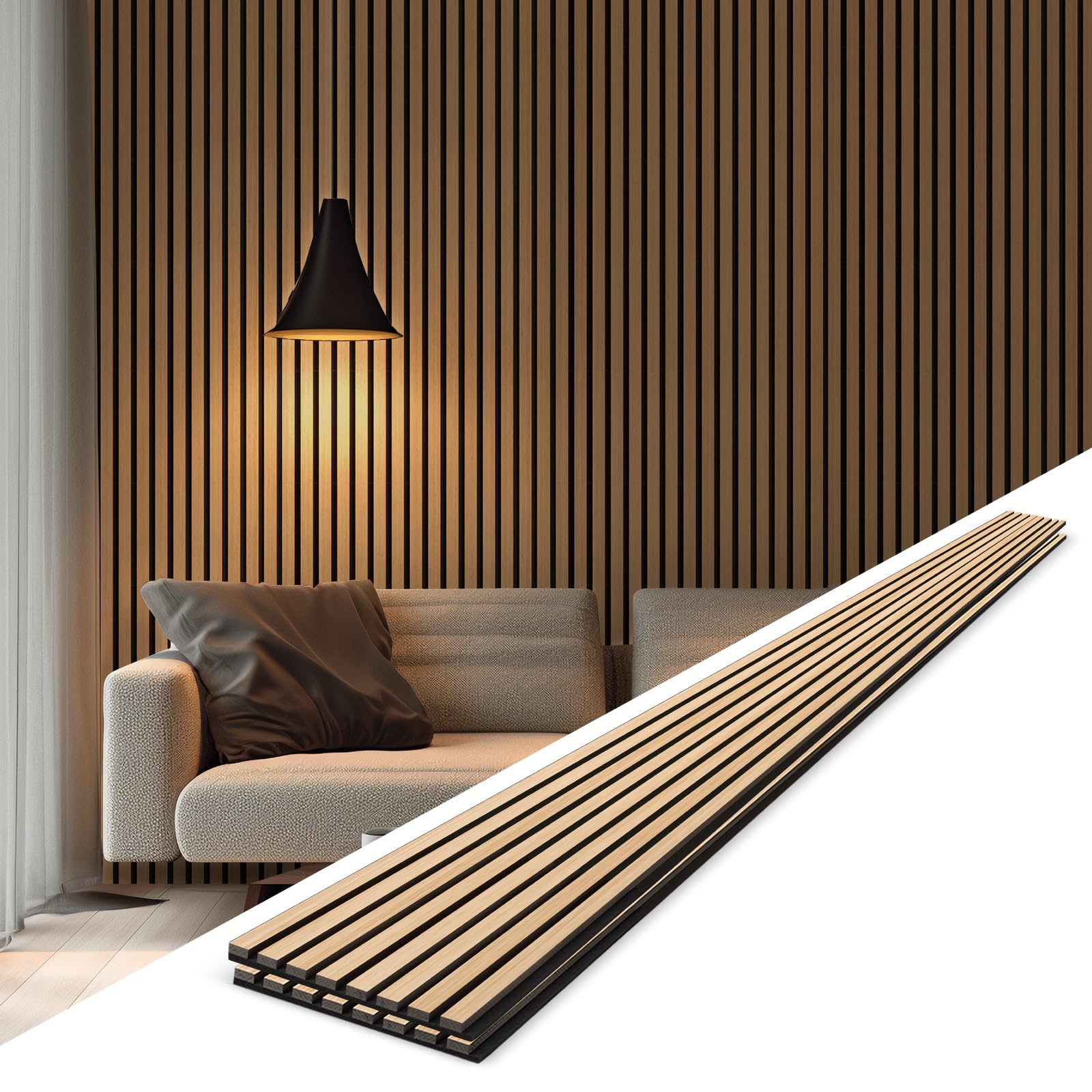
Wood and engineered wood products – slatted woods, acoustic panels, wooden wool boards, and sustainably harvested timber – are also effective. Wooden panels offer sound absorption and a natural aesthetic finish that blends with interior design.
Conclusion
Acoustic comfort need not be at the expense of the planet. With eco-friendly solutions – from natural fibre panels to fabric solutions – you can create buildings that are quiet and environmentally responsible. Whether you are designing a cosy home, a productive office, or a creative studio, these sustainable designs deliver the best performance, wellbeing, and sustainability.